





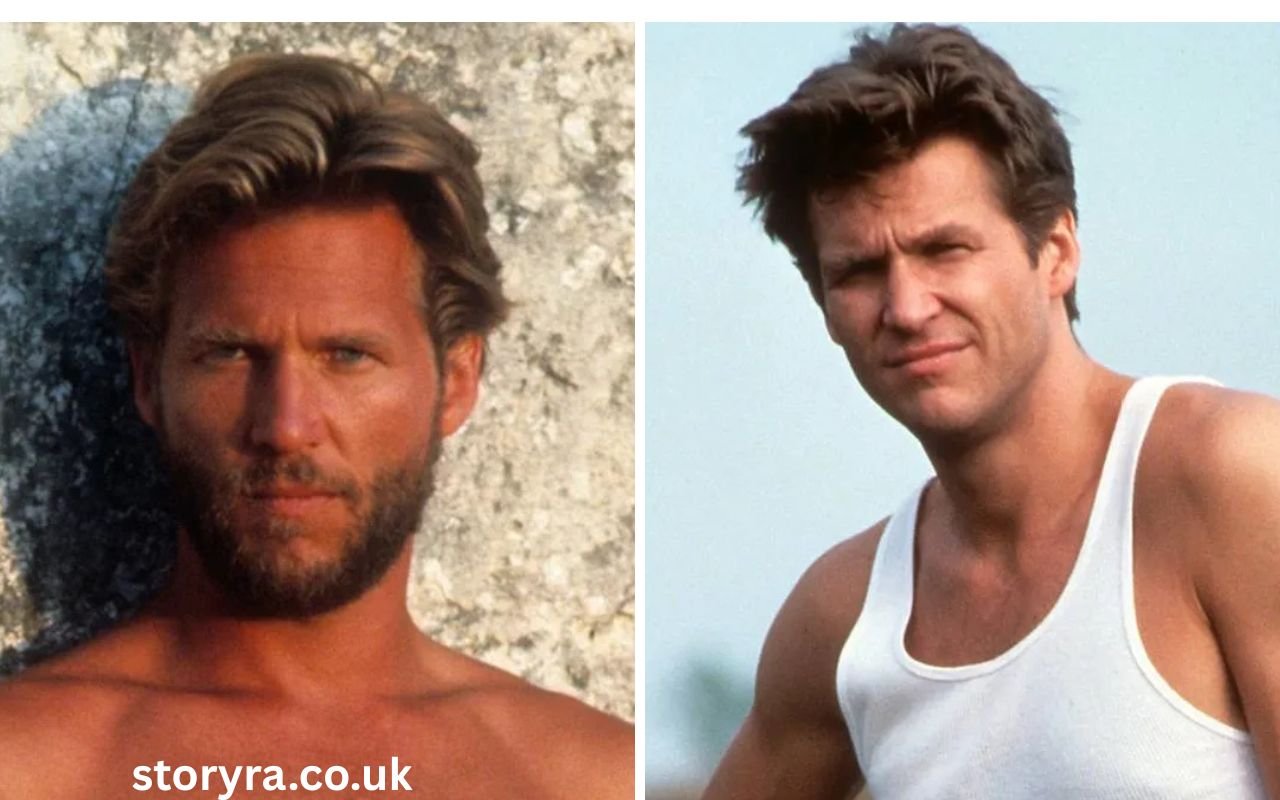
Jeff Bridges Young: The Early Life, Hollywood Journey, and Rise of an Iconic Actor
Jeff Bridges’ Early Life and Hollywood Family Background
Jeff Bridges was born into one of the most respected jeff bridges young acting families in Hollywood. Growing up in Los Angeles, California, he was surrounded by cameras, movie sets, and television productions from the very beginning of his life. His father, Lloyd Bridges, was already a famous actor known for television and film work, while his mother Dorothy Bridges also had strong artistic interests. Because of this environment, creativity became a natural part of Jeff Bridges’ childhood.
As a young boy, Jeff Bridges spent time visiting film sets and watching professional actors perform scenes. These experiences gave him an early understanding of how movies were made and how storytelling worked on screen. Even though he was connected to Hollywood from birth, he did not immediately imagine himself becoming a major actor. During his younger years, he was more interested in music, drawing, photography, and personal creativity.
The Bridges household encouraged artistic freedom rather than pressure. Jeff and his brother Beau Bridges were allowed to explore different passions and interests while learning about acting naturally through family experiences. This supportive upbringing helped Jeff develop the relaxed personality and authentic acting style that later made him stand out in Hollywood.
Young Jeff Bridges and His First Acting Experiences
Jeff Bridges began appearing on television while still very young. Some of his earliest appearances came through projects connected to his father’s work, including television programs during the 1950s and 1960s. These small performances introduced him to professional acting at an age when most children were still discovering their hobbies and interests.
Even though he had acting opportunities early in life, Jeff Bridges initially viewed acting more as something connected to family tradition than personal ambition. He enjoyed creative activities beyond entertainment and often focused on music and artistic expression during his teenage years. Friends and family members noticed that he had natural charisma, but he remained uncertain about fully committing to acting professionally.
As he grew older, acting slowly became more appealing because it allowed him to combine creativity, emotion, and storytelling. Directors quickly recognized that Jeff Bridges possessed a calm and believable screen presence that felt different from many young actors of his generation. His performances looked natural instead of forced, which became one of his strongest qualities.
The Breakthrough Success of The Last Picture Show
The Last Picture Show became the film that changed Jeff Bridges’ career forever. Released in 1971, the movie was directed by Peter Bogdanovich and focused on life in a small Texas town during the 1950s. Jeff Bridges played the role of Duane Jackson, a young man dealing with friendship, romance, and emotional uncertainty.
The film received massive critical praise and was considered one of the most important movies of the decade. Audiences and critics immediately noticed Bridges’ emotional realism and relaxed acting style. Unlike many performers who relied on dramatic expressions, he made his character feel honest and deeply human. His performance earned him an Academy Award nomination at a very young age.
This breakthrough role established Jeff Bridges as more than simply the son of Lloyd Bridges. Hollywood now viewed him as a talented actor with his own identity and future. After the success of the movie, directors began offering him larger and more serious film roles throughout the 1970s.
Young Jeff Bridges in 1970s Hollywood
During the 1970s, Jeff Bridges became one of the most respected young actors in American cinema. This period of Hollywood history focused heavily on realistic storytelling and emotionally complex characters, which perfectly matched Bridges’ natural acting approach. He fit comfortably into the new generation of actors redefining American film.
Movies like Fat City, Bad Company, and Thunderbolt and Lightfoot strengthened his reputation as a serious actor capable of handling different types of characters. Whether he played rebellious young men, emotionally confused drifters, or adventurous outsiders, Bridges brought authenticity to every performance.
Unlike many celebrities of the era, Jeff Bridges avoided excessive Hollywood glamour and controversy. He developed a reputation for professionalism, creativity, and calm behavior. Audiences appreciated that he seemed genuine both on screen and in real life, which helped him build long-lasting respect in the entertainment industry.
Jeff Bridges’ Young Appearance and Natural Charisma
One reason young Jeff Bridges became so admired was his effortless charisma and unique appearance. During the 1970s and early 1980s, his long hair, relaxed expressions, and casual confidence represented a different type of Hollywood leading man. He looked approachable and authentic rather than overly polished.
Fans often connected with Bridges because he carried himself naturally instead of trying to appear perfect. His youthful image reflected freedom, creativity, and emotional openness, qualities that became strongly associated with American cinema during that era. Photographs of young Jeff Bridges remain extremely popular because they capture a timeless Hollywood style.
His charisma also came from his emotional intelligence as a performer. He had the rare ability to make viewers feel comfortable while watching him on screen. This quality helped him succeed in romantic dramas, character-driven stories, and emotionally layered films throughout his career.
The Importance of Tron in Jeff Bridges’ Career
TRON became one of Jeff Bridges’ most iconic movies and introduced him to a new generation of audiences. In the film, he played Kevin Flynn, a talented computer programmer transported into a digital world filled with futuristic technology and visual effects.
At the time of its release, TRON was considered groundbreaking because of its innovative use of computer-generated imagery. The movie explored themes involving technology, artificial intelligence, and virtual environments long before these ideas became common in mainstream entertainment.
Jeff Bridges’ performance gave emotional warmth to a visually experimental film. His natural charm balanced the futuristic atmosphere and helped audiences connect with the story. Over the years, TRON developed a cult following and remains one of the most influential science fiction films connected to early digital cinema.
Jeff Bridges’ Acting Style During His Younger Years
Jeff Bridges became famous for an acting style built on realism and emotional subtlety. Instead of exaggerating scenes or relying on dramatic intensity, he focused on natural reactions and believable emotions. This approach made his performances feel deeply personal and relatable.
Directors appreciated Bridges because he could communicate emotions with small expressions, tone of voice, and body language rather than excessive dialogue. His performances often felt spontaneous even when scenes were carefully planned. This gave his characters a human quality that audiences trusted.
Many younger actors later studied Jeff Bridges’ early performances to understand how understated acting could still feel powerful. His work during the 1970s and 1980s remains highly respected because it demonstrated that authenticity can often be more impactful than theatrical performance styles.
Music, Creativity, and Artistic Interests
Outside of acting, Jeff Bridges developed strong interests in music, photography, and visual arts during his younger years. Music became especially important to him, and he spent years playing guitar, writing songs, and exploring different musical styles.
His artistic mindset influenced the way he approached acting roles. Rather than treating movies simply as entertainment, Bridges viewed performance as another form of artistic expression. This creative attitude allowed him to bring originality and emotional depth to many of his characters.
Photography also became one of his personal passions. Bridges often carried cameras during film productions and captured behind-the-scenes moments from movie sets. These photographs later became valuable records of Hollywood history and revealed his eye for visual storytelling beyond acting.
Why Young Jeff Bridges Still Fascinates Fans Today
Read More : Kate Beckinsale Young: Early Beauty, Career Journey, and Rise to Hollywood Stardom
Interest in young Jeff Bridges continues to grow because his early career represents a special era of Hollywood filmmaking. Many movie fans appreciate the authenticity and emotional honesty found in his performances during the 1970s and early 1980s.
Streaming platforms and classic film collections have introduced younger audiences to movies such as The Last Picture Show and TRON. As a result, new generations continue discovering the calm charisma and timeless screen presence that made Bridges unique.
His younger years also reflect a period when actors focused more heavily on character depth and storytelling rather than celebrity image alone. This authenticity is one reason Jeff Bridges remains admired across multiple generations of film lovers.
The Lasting Legacy of Jeff Bridges’ Early Career
Today, Jeff Bridges is considered one of the most respected actors in American cinema history. His early performances helped shape modern Hollywood acting by emphasizing realism, emotional truth, and creative individuality.
Young Jeff Bridges left a lasting influence not only through his movies but also through his artistic philosophy. He demonstrated that actors could remain authentic while achieving major success in the entertainment industry. His calm personality and thoughtful approach continue inspiring performers today.
Even after decades in Hollywood, audiences still search for young Jeff Bridges because his early career captured something timeless. His youthful performances continue standing as examples of natural acting, artistic passion, and genuine human connection on screen.