





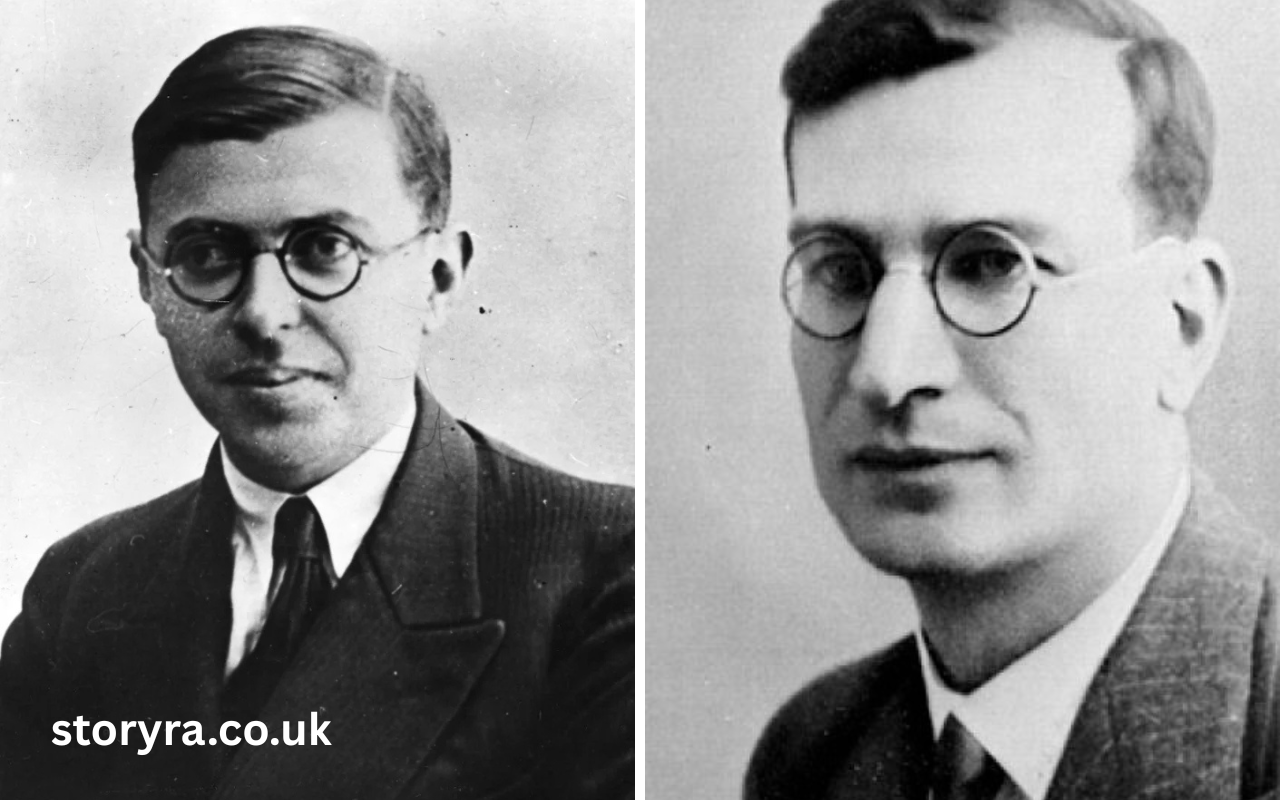
French Philosophers History, Key Thinkers, Major Ideas, and Lasting Influence on Modern Thought
Introduction to French Philosophers and Their Global Influence
French philosophers have played a defining role in shaping modern intellectual history. From questions about existence and knowledge to debates on politics, freedom, and society, French thinkers have consistently influenced how the world understands reality. Their ideas continue to impact education, law, psychology, and political systems across the globe.
The tradition of French philosophy spans several centuries and includes multiple intellectual movements. Each period reflects the changing social and political environment of France, from monarchy and revolution to modern democracy. This long evolution makes French philosophy one of the most diverse and influential traditions in Western thought.
What makes French philosophers especially important is their ability to challenge established norms. Whether questioning religion, authority, or human existence, they have consistently pushed intellectual boundaries, creating ideas that remain relevant even today.
René Descartes and the Foundation of Rational Thought
René Descartes is often regarded as the father of modern Western philosophy. He introduced the idea of rationalism, emphasizing reason as the primary source of knowledge. His famous statement “I think, therefore I am” became a cornerstone of philosophical thinking.
Descartes focused on doubt as a method of finding truth. He believed that by questioning everything, individuals could arrive at undeniable certainty. This approach laid the foundation for modern scientific reasoning and analytical thought, influencing both philosophy and mathematics.
His work marked a major shift away from traditional beliefs based on authority. Instead, he encouraged independent thinking and logical analysis, shaping the direction of modern philosophy in profound ways.
The Enlightenment and Rise of French Intellectual Thought
The Enlightenment period in France was a time of intense intellectual activity. Philosophers during this era emphasized reason, science, and human progress. They believed that society could be improved through education and rational thinking rather than tradition or superstition.
Thinkers such as Voltaire, Rousseau, and Diderot played central roles in this movement. They criticized political oppression and religious control, advocating for freedom of speech and equality. Their writings helped shape modern democratic ideals.
The Enlightenment also introduced the idea that knowledge should serve society. This belief led to major social and political changes, including revolutions that reshaped Europe and influenced global governance systems.
Jean-Jacques Rousseau and Political Philosophy
Jean-Jacques Rousseau is one of the most influential political thinkers in French philosophy. His concept of the social contract argued that governments must reflect the will of the people rather than ruling through absolute authority.
Rousseau believed that humans are naturally good but become corrupted by society. His ideas explored inequality, education, and freedom, challenging existing political systems. These concepts had a major impact on revolutionary movements in France and beyond.
His philosophy continues to influence modern political theory, especially discussions about democracy, citizenship, and social justice. Rousseau’s ideas remain central to understanding the relationship between individuals and the state.
Voltaire and the Fight for Freedom of Expression
Voltaire was a key figure in defending freedom of speech and religious tolerance. He used satire, essays, and letters to criticize injustice and challenge authoritarian power structures.
Voltaire strongly believed that open discussion and reason were essential for human progress. He opposed censorship and religious intolerance, arguing that individuals should be free to express their ideas without fear.
His work helped shape modern concepts of civil liberties and human rights. Voltaire’s legacy continues to represent the importance of free expression in democratic societies.
Existentialism and the Question of Human Meaning
In the 20th century, French philosophy shifted toward existentialism, a movement focused on human existence, freedom, and meaning. Existentialist thinkers argued that life has no fixed purpose and that individuals must create their own meaning.
This philosophical approach emphasized personal responsibility and freedom of choice. It also explored themes such as anxiety, isolation, and authenticity in a complex modern world.
Existentialism became one of the most influential philosophical movements of the modern era, shaping literature, psychology, and cultural theory across the world.
Jean-Paul Sartre and the Philosophy of Freedom
Jean-Paul Sartre is the most famous existentialist thinker. He argued that “existence precedes essence,” meaning humans are not defined by nature but by their actions and decisions.
Sartre believed that freedom is absolute, but this freedom comes with responsibility. Every individual must take responsibility for their choices, which creates both opportunity and existential anxiety.
His philosophy deeply influenced modern thought, especially ideas about identity, freedom, and personal responsibility in an uncertain world.
Simone de Beauvoir and Feminist Philosophy
Read More : Lorene Scafaria Biography, Film Career, Hustlers Success, Directing Style, and Hollywood Journey
Simone de Beauvoir was a pioneering feminist philosopher and existentialist thinker. Her work examined how society constructs gender roles and how women have historically been oppressed.
In her landmark book The Second Sex, she argued that women are not born inferior but are shaped by social systems. This idea became a foundation of modern feminist philosophy and gender studies.
Her contributions extended existentialism into discussions of equality and human rights, making her one of the most important intellectuals of the 20th century.
Michel Foucault and Power in Modern Society
Michel Foucault introduced groundbreaking ideas about power, knowledge, and social institutions. He argued that power exists not only in governments but also in schools, prisons, and cultural systems.
Foucault explored how knowledge is used to control societies and shape behavior. His theories revealed how institutions influence human identity and social norms.
His work continues to be highly relevant in discussions about surveillance, authority, and modern political systems, especially in the digital age.
Legacy of French Philosophers in the Modern World
The influence of French philosophers extends far beyond academic philosophy. Their ideas have shaped modern democracy, human rights, education, and political systems across the world.
From Descartes’ rationalism to Sartre’s existentialism and Foucault’s theories of power, French philosophy continues to inspire critical thinking and intellectual debate. These thinkers challenged traditional authority and encouraged individuals to question the world around them.
Today, French philosophy remains a living tradition that continues to influence how people think about freedom, identity, society, and truth in a rapidly changing global environment.