





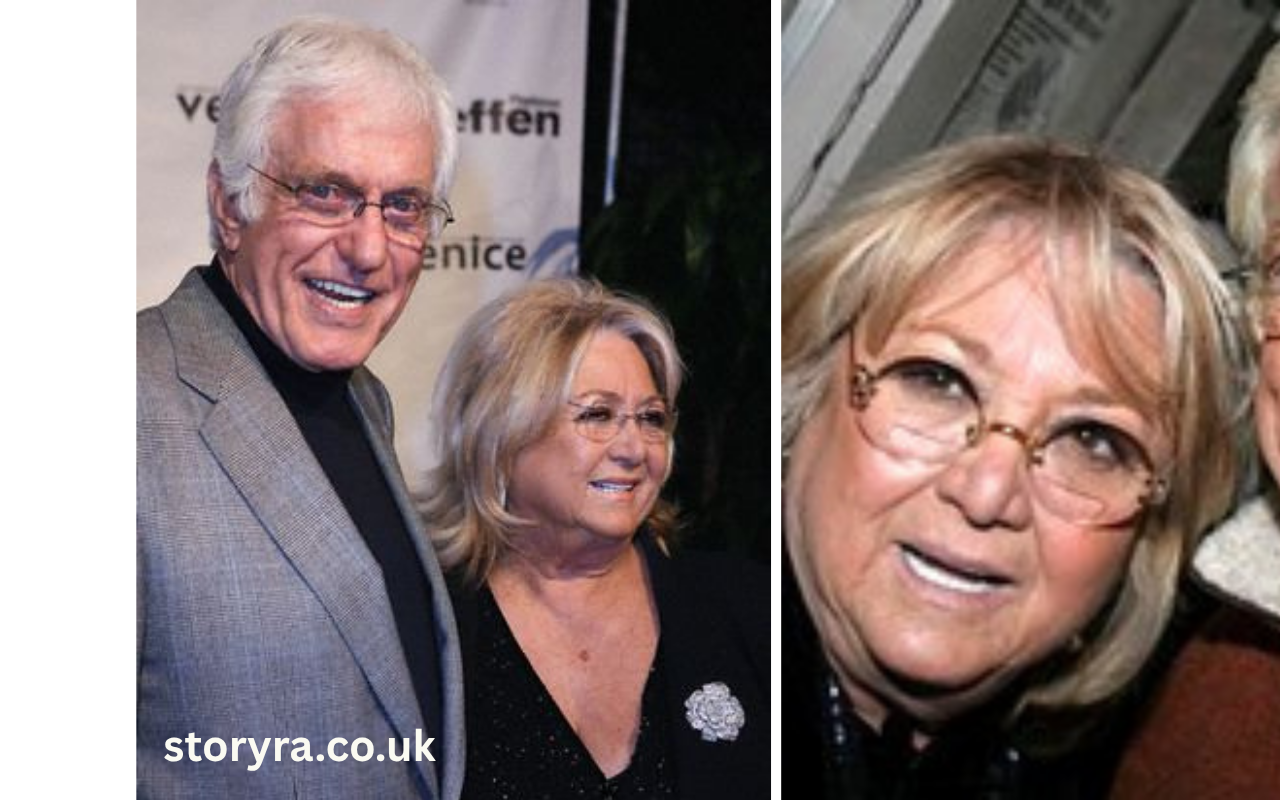
The Life and Legacy of Michelle Triola Marvin: A Pioneer in Palimony Laws
Michelle Triola Marvin was an American actress, singer, and the face of one of the most influential legal battles in modern family law. Born Michelle Triola on November 13, 1932, in Los Angeles, California, she would become known not for blockbuster films or Broadway headlining roles, but for a courtroom fight that reshaped legal thinking about unmarried couples and financial support after separation. Her legal pursuit against actor Lee Marvin helped cement the concept of palimony—a term that entered both the legal lexicon and popular culture in the late 1970s. The story of Michelle Triola’s life interweaves show business, personal relationships, and a court case that still resonates in family law discussions today.
Though she never achieved widespread fame as a film star, Michelle Triola’s legacy goes far beyond Hollywood credits. Her case highlighted questions about the rights of unmarried couples who live together in long‑term relationships and challenged traditional assumptions about marriage, property, and financial responsibility. Triola’s decision to sue Lee Marvin changed how courts viewed oral agreements between partners and opened the door for subsequent legal actions nationwide. Understanding her life means appreciating both the human story and the broader legal impact that continues to influence discussions around palimony, cohabitation agreements, and financial claims after romantic separations.
Early Life and Career of Michelle Triola
Michelle Triola was born and raised in Los Angeles, California, where she discovered a passion for performance early in life. As a young woman, she pursued artistic endeavors that included singing, dancing, and acting. She studied theater arts at the University of California, Los Angeles (UCLA), gaining foundational training that shaped her stage and screen aspirations. Despite a vibrant local performing atmosphere in Southern California, her artistic career never quite fully took off in the way she had envisioned.
Before becoming widely known for her legal battle, Michelle Triola worked as a lounge singer and dancer. She performed in clubs along the Sunset Strip, where her voice and presence entertained audiences during the 1950s and 1960s. In addition to her singing engagements, she appeared in small acting roles, including a minor part as a stand‑in in the film Ship of Fools (1965) and a guest appearance on the television series Diagnosis: Murder. She also danced in the 1958 Broadway production of Flower Drum Song, directed by Gene Kelly, further demonstrating her range of talents. Yet it was her personal association with Lee Marvin that would place her in the national spotlight.
Her early career reflected the ambitions of many young performers of her era—seeking recognition in a competitive industry, cultivating artistic skills, and embracing opportunities that came her way. Although she never became a Hollywood leading lady, these experiences laid a foundation for the courage and determination she later showed in her historic legal challenge.
The Relationship With Lee Marvin
Michelle Triola’s life changed dramatically when she met actor Lee Marvin in 1964 while working on the set of Ship of Fools. The two began a personal relationship that would last approximately six years. Though they were never legally married, Triola and Marvin lived together as partners, moving into a Malibu home and being regarded by many as a couple similar to husband and wife. During this period, Triola even legally changed her last name to Marvin, reflecting both her deep personal attachment and her public presentation as part of the actor’s life.
Their relationship was not without its challenges. In 1970, Marvin ended the relationship and asked Triola to leave their shared home. Initially, he provided her with monthly financial support, but that arrangement ceased by late 1971. Feeling abandoned and financially insecure, Triola decided to take legal action, claiming that Marvin had promised lifelong financial support in exchange for her companionship and support during their relationship. It was this claim that would launch one of the most famous and precedent‑setting legal battles of the era.
The emotional and financial turmoil of this breakup was felt deeply by Triola and ultimately became the catalyst for her decision to seek justice through the courts. Her belief that long‑term partners should have legal protections similar to those afforded to married couples was a central theme in the fight that followed—one that would later lead to the concept of palimony in common usage.
The Lawsuit: Marvin v. Marvin
In 1972, Michelle Triola sued Lee Marvin in a case that would eventually come to be known as Marvin v. Marvin, arguing that she was entitled to financial compensation and property division similar to what a spouse might receive in a divorce. Represented by flamboyant celebrity divorce attorney Marvin Mitchelson, Triola asserted that an oral agreement existed between the two, under which she would receive support and a share of the assets accumulated during their six years together. Because California did not recognize common‑law marriage, she could not simply claim spousal rights, so her lawsuit focused on enforcing an implied contract rooted in their life together.
The case initially faced dismissal by lower courts, which ruled that the alleged agreement had no legal basis due to the non‑marital nature of the relationship and the possibility that it was tied to marital or sexual considerations. However, Triola appealed, and in 1976 the Supreme Court of California handed down a groundbreaking decision. The court ruled that non‑married partners could bring suit for financial support and property division if an express or implied contract could be proven, regardless of marital status. This ruling opened the door for Triola’s case to proceed to trial, marking a turning point in how the law viewed cohabitating couples.
The legal battle captivated the public’s imagination, becoming emblematic of cultural shifts in relationships and personal autonomy. The term palimony—a portmanteau of “pal” and “alimony”—was popularized during this period and became synonymous with the kind of claims represented by Triola’s lawsuit. While the trial ultimately did not grant her most of the damages she sought, the pathbreaking nature of the Marvin v. Marvin decision changed the conversation around cohabitation, contracts, and financial expectation after separation.
Trial and Courtroom Dynamics
When Marvin v. Marvin finally went to trial in 1979, it became a highly publicized event that drew intense media attention and broad public interest. The courtroom scenes were described as dramatic, with both sides presenting compelling yet contrasting testimonies. Triola’s attorney argued that she had given up her own career and devoted years of her life to the relationship, fulfilling traditional domestic roles while Marvin built his acting career and financial success. The legal strategy was to demonstrate that an explicit or implicit contract had been breached when Marvin stopped supporting her after the breakup.
Lee Marvin’s defense team challenged the existence of any enforceable agreement and denied any promises of lifelong support or shared property. The actor maintained that the relationship was personal in nature and that no contractual obligation was ever made. The trial judge ultimately ruled that even though a verbal or implied contract could theoretically exist, Triola had failed to prove such an agreement with sufficient evidence. As a result, the primary claim for half of Marvin’s earnings was rejected.
Despite this setback, the judge awarded Triola $104,000 on the basis of “rehabilitative” support, intended to help her transition to independent financial stability. However, this award was overturned on appeal in 1981, and Triola did not receive any financial compensation from Marvin in the end. Still, the legal principle that allowed her to bring the lawsuit remained intact, and this formed the basis for similar claims by other cohabitating partners in subsequent years.
Legal and Social Legacy of Palimony
The Marvin v. Marvin case had an enduring impact on both legal practice and cultural understandings of relationships outside of marriage. Prior to this case, courts largely treated unmarried cohabitants as having no legal claims against each other for financial support or property division after separation. By holding that oral or implied contracts could be enforceable regardless of marital status, the California Supreme Court acknowledged that long‑term relationships might give rise to legally recognizable obligations.
This shift had broader implications as social norms around cohabitation and non‑marital relationships evolved. More couples were living together without marrying, and many sought legal clarity about their rights and responsibilities if their relationship ended. The concept of palimony therefore became a reference point for attorneys and courts grappling with these issues, even though proving such claims requires clear evidence of an agreement. Across the United States, similar cases were pursued, and many states began recognizing at least some types of support claims for non‑married partners based on contract principles.
Beyond the courtroom, palimony entered popular culture and everyday conversation as a shorthand for financial rights after a breakup without marriage. It challenged traditional ideas about marriage as the sole legal foundation for spousal claims and highlighted how relationships might have legal significance even without a marriage license. Michelle Triola’s lawsuit remains a foundational example discussed in family law courses and legal histories, a testament to how one individual’s pursuit of justice can reverberate far beyond a single case.
Later Life and Personal Relationships
After the conclusion of her legal battles, Michelle Triola continued her life outside the glare of courtrooms. In 1976, during the period her case was still making headlines, she began a long‑term relationship with actor Dick Van Dyke. Although this partnership was significant and enduring, the couple never married. They lived together for decades, maintaining a stable and supportive relationship that contrasted sharply with the tumultuous end of her time with Lee Marvin.
Triola continued to pursue her artistic interests, though largely outside the mainstream spotlight. She made a brief appearance on an episode of Diagnosis: Murder, a show associated with Van Dyke, which reflected her continued ties to the entertainment world. She also spoke about her legal experiences in interviews, offering insights into how her life had been shaped by both the personal and the legal struggles she had endured.
In her later years, Michelle Triola faced health challenges, including a battle with lung cancer. She underwent surgery in 2008 and ultimately passed away on October 30, 2009, at her home in Malibu, California. She was 76 years old. Despite a life marked by obstacles and setbacks, her determination left an unmistakable impression on legal history and popular understanding of cohabitation rights.
Read More: Discover the Career of Sara Switzer: A Creative Writer & Producer Behind the Scenes
Reflecting on Michelle Triola’s Impact
Michelle Triola’s contribution to legal history is often encapsulated in the term palimony, but her story encompasses far more than a single word. Her struggle brought attention to the rights of unmarried partners, challenged courts to rethink traditional legal frameworks, and highlighted changing social norms around relationships. While she did not win the financial settlement she sought, her pursuit paved the way for others to seek legal recognition of their expectations and agreements.
Her legacy lives on in the many cohabitation and relationship agreements that couples now enter into to protect their interests, as well as in legal doctrines that continue to consider fairness and contractual obligations outside of marriage. Michelle Triola’s story is a reminder that the law can evolve in response to social change, and that individuals who stand up for their rights can leave a lasting impact well beyond their own personal circumstances.